
HardwareUnit of Use
Unit-of-use automation, modular by design.
High-density unit-of-use fulfillment in a compact footprint, engineered for central fill, mail order, and direct-to-patient operations handling unit-of-use packages, 30/60/90-day bottles, blisters, pens, and inhalers. Filling more than 100,000 prescriptions a day across Capsa’s global installed base.
The system
High density in a compact footprint
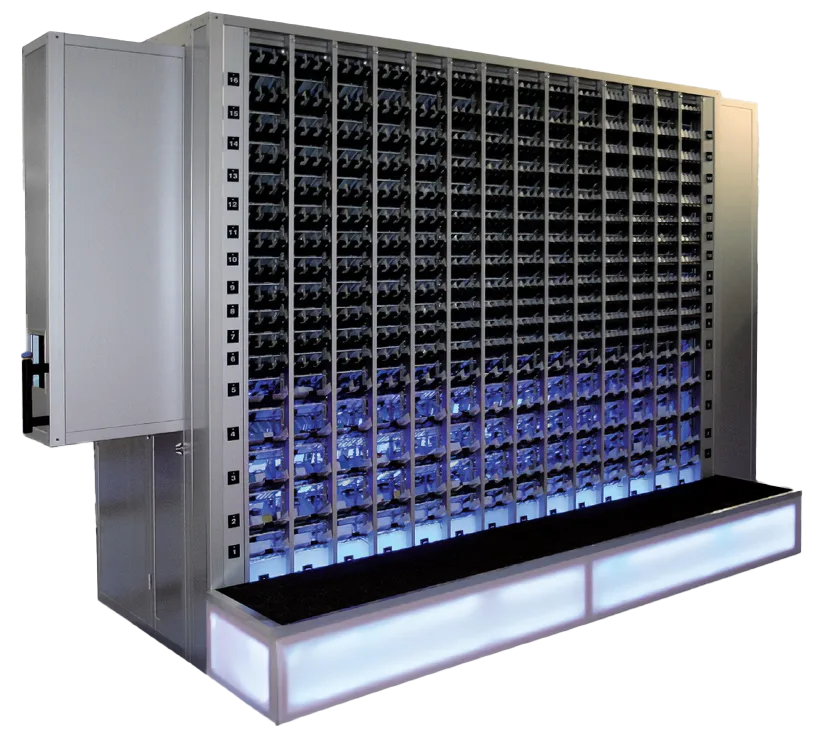
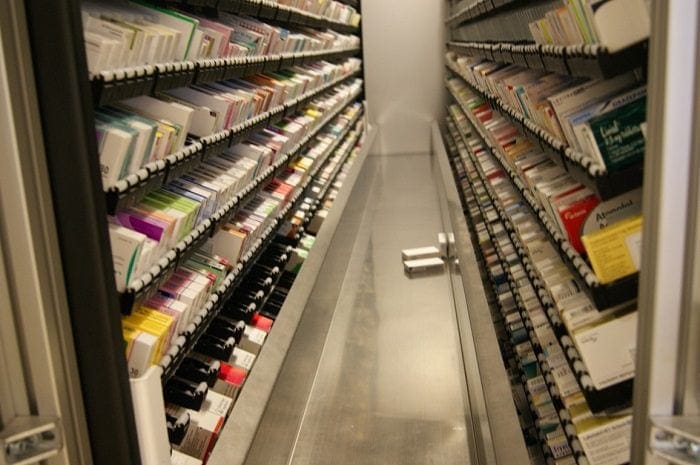
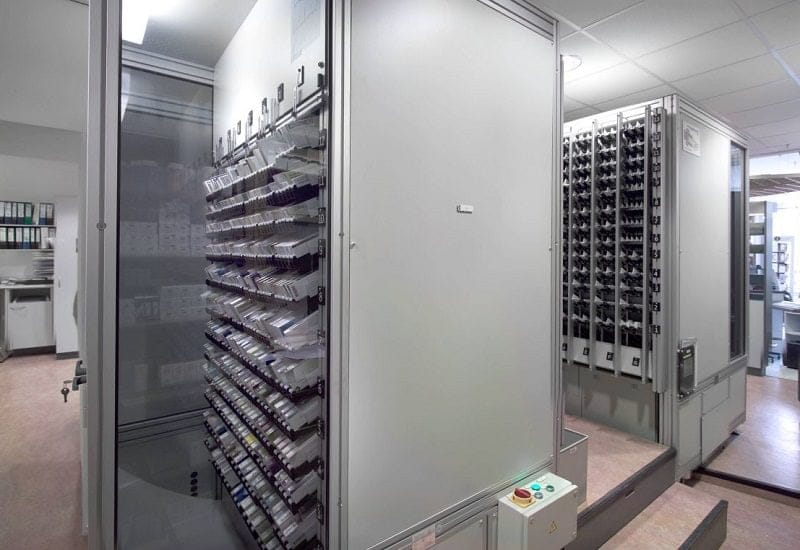
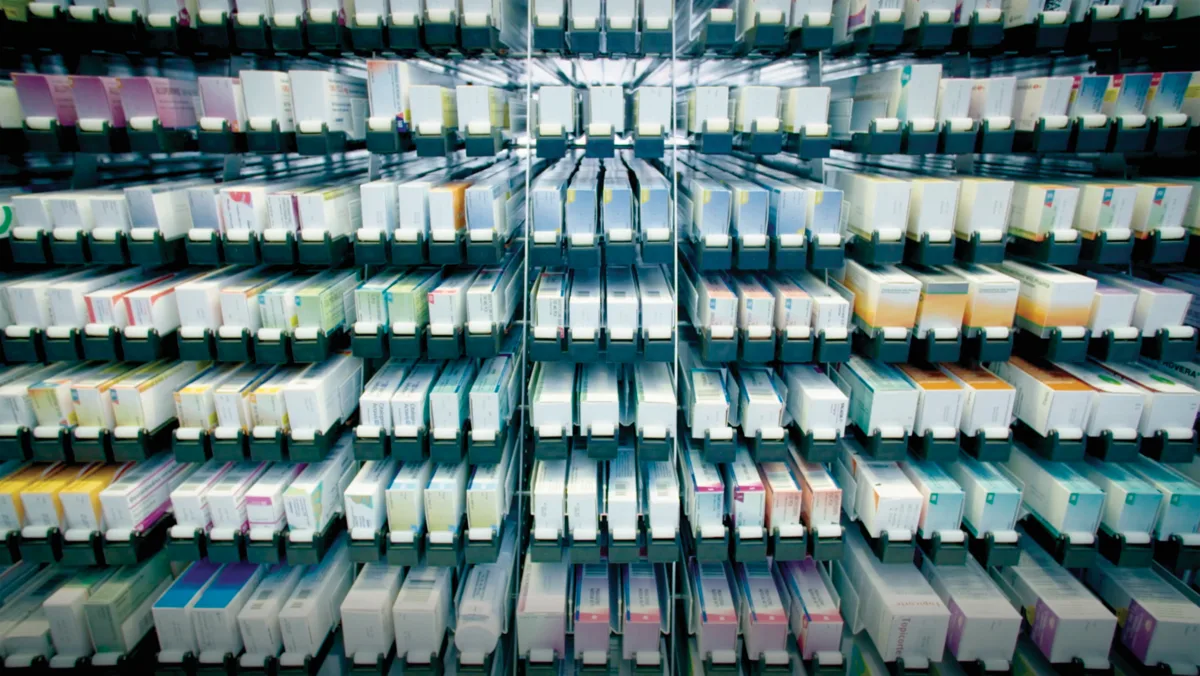
Unit of Use handles packaged doses in a modular cabinet: packs, 30, 60, and 90-day bottles, blisters, pens, and inhalers, running without re-tooling as the mix changes.
Add a cabinet to expand capacity as volume grows. The unit is engineered to operate in refrigerated rooms, so cold-chain items are handled inside the same automated footprint rather than in an operation running alongside it.
- Throughput: up to 10,800 packages per hour
- Storage density: up to 18,900 packages per cabinet
- Footprint: from 49 x 63 x 95 in, scaling to 140 x 63 x 95 in
- Formulary coverage: roughly 80 percent of the unit-of-use formulary
- Cold chain: 2 to 8 C rooms, customer-supplied refrigeration
Watch it run
Packaged doses, dispensed at line speed
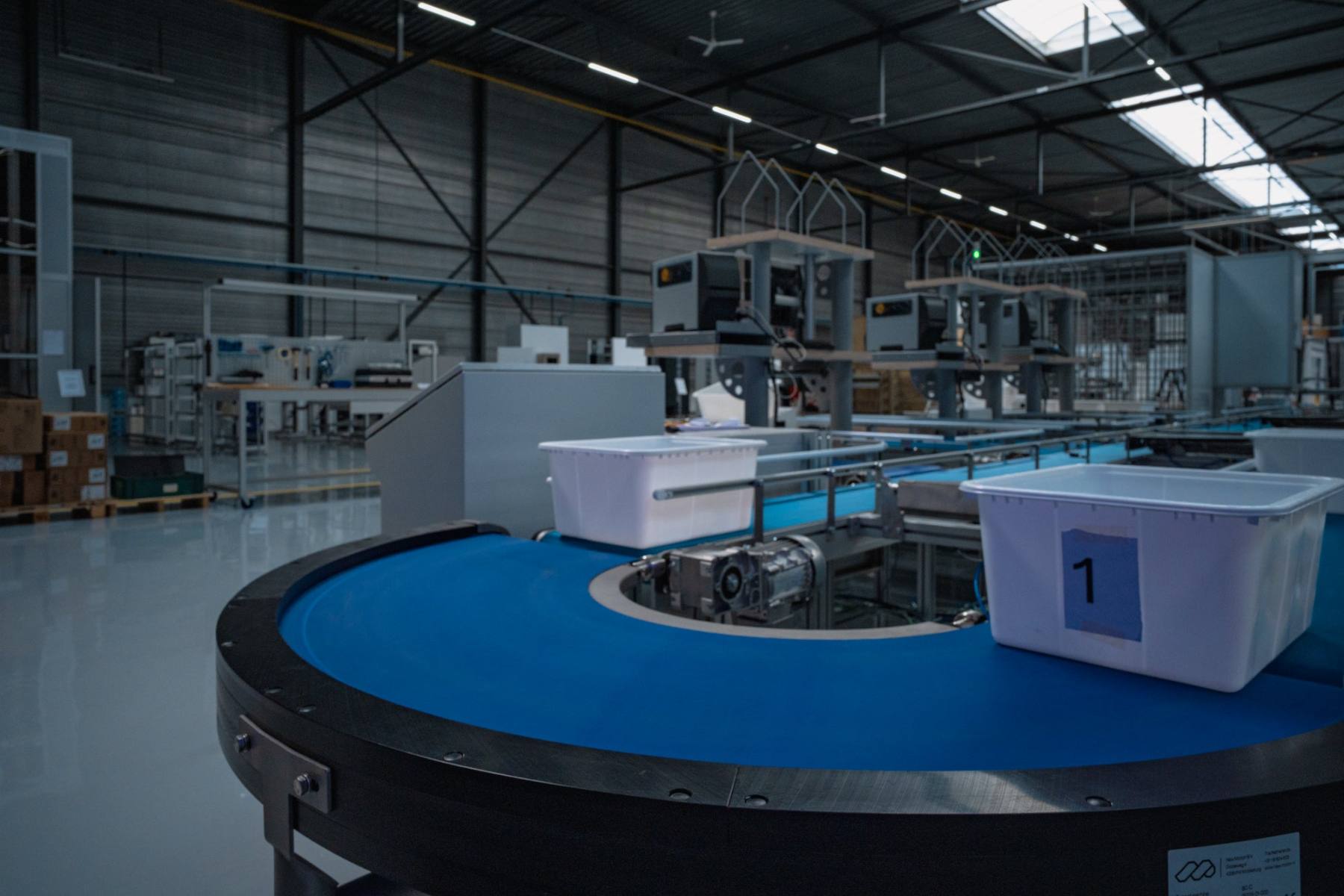
The Unit of Use system dispensing packaged medications onto the same conveyed line that carries vials, ambient and refrigerated.
Video: Unit of Use dispensing on the central fill line
Why it scales
Manual handling does not hold the curve
Unit-of-use and cold-chain packages carry a traceability obligation now that DSCSA serialization is in force for large dispensers. Handling that by hand means adding people in proportion to growth.
Automation holds the curve instead. The same team absorbs more volume, and pharmacist and technician time moves to higher-value work.
What it does
Built for the packages that are growing
High-speed dispensing
Each unit delivers up to 10,800 packages per hour.
High-density, modular footprint
Storage density of up to 18,900 packages per cabinet keeps the footprint compact. Add cabinets to expand capacity as volume grows.
Cold-chain ready
Engineered to operate in refrigerated rooms for temperature-sensitive, high-value items.
Ready for the pre-bottled trend
Handles 30/60/90-day bottles without re-tooling.
Every form factor
One line. One platform. No separate system for each package type.
Vials and bottles
High-volume oral solids filled, labeled, capped, and inspected in one pass.
Unit-of-use
Packs and 30, 60, and 90-day bottles handled without re-tooling.
Blisters, pens, and inhalers
Non-vial packages picked and merged into the same order.
Ambient
Standard storage and staging inside the automated footprint.
Cold chain
Refrigerated items handled as part of the same fulfillment flow.
Vials are automatically de-pucked and collated with everything else in the patient order, unit-of-use medications, vials and bottles, then transferred in a tote to the packaging system.
Questions
Unit-of-use automation FAQ
What is unit-of-use pharmacy automation?
Unit-of-use automation dispenses medications that are already packaged, unit-of-use packs, 30/60/90-day bottles, blisters, pens and inhalers, rather than counting loose oral solids into vials. RoboPharma Unit of Use handles these packaged doses in a modular cabinet that runs without re-tooling as the mix changes.
Can the system handle cold chain medications?
Yes. Unit-of-use automation is cold-chain ready and handles temperature-sensitive items, including GLP-1 medications, at 2 to 8 °C.
How does unit-of-use join the same order as vials?
Vials are automatically de-pucked and collated with everything else in the patient order, unit-of-use medications, vials and bottles, then transferred in a tote to the packaging system.
How does the system scale as volume grows?
Filling points are added to the wall rather than the line being rebuilt. Configure from 5 to 30 filling points per wall, and add cells as volume grows, without interrupting the operation already running.
Next
See the platform that runs it.
Axona manages the operation from order intake through shipment.