
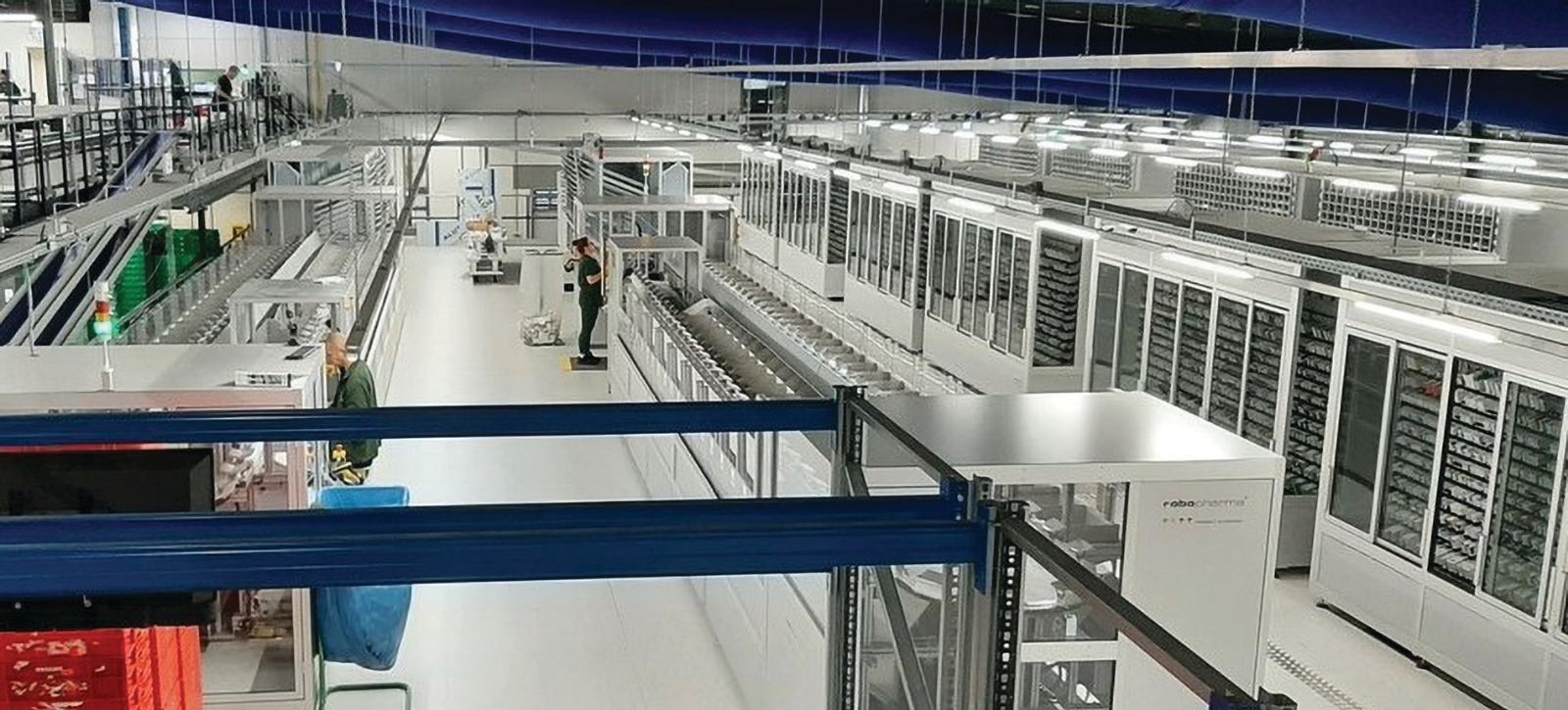
Project type
Design a new central fill solution
A first central fill build is a facility project, not a purchase. The decisions that determine whether the operation performs are made before any equipment is specified.
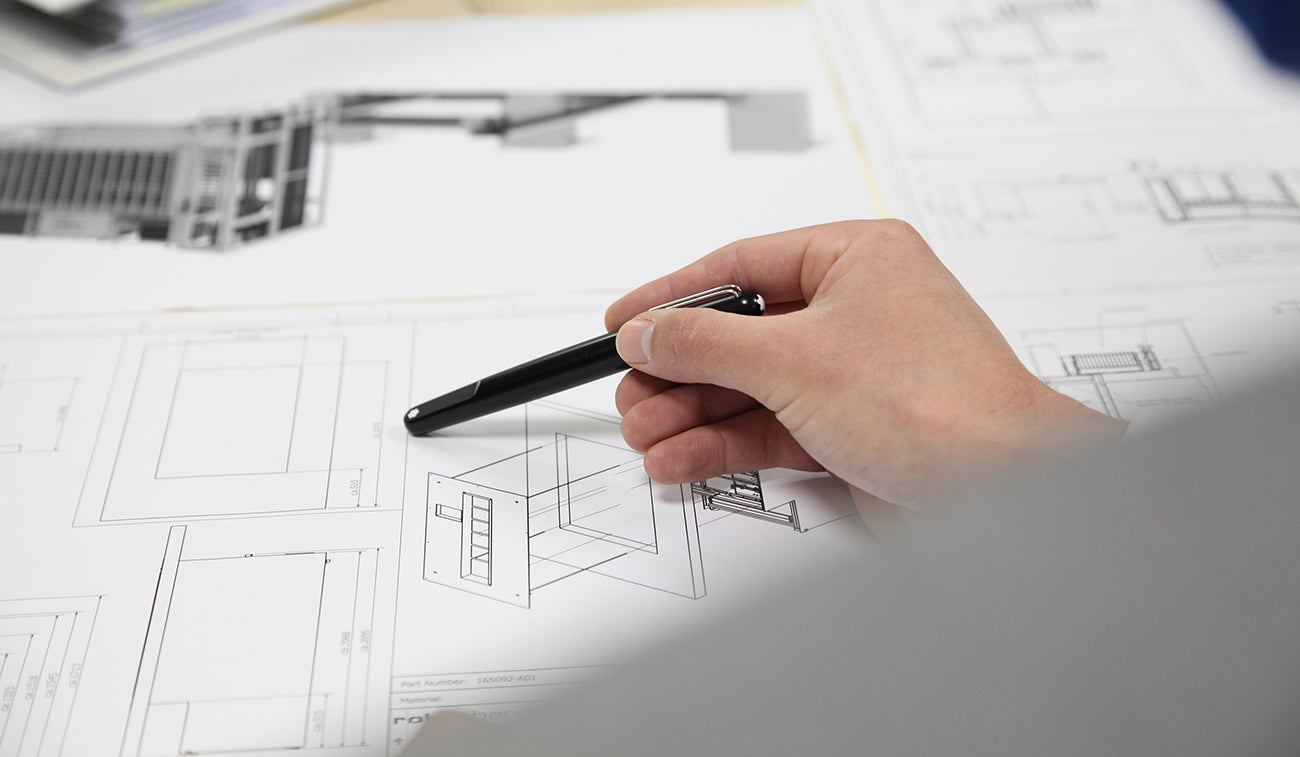
Where it starts
A first central fill build is a facility project, not a purchase.
Running pharmacies and designing a fulfillment operation are different disciplines, and the decisions that matter most get made before any equipment is specified. Volume, SKU distribution, workflow and floor space set the throughput model, and the throughput model sets everything after it.
So the first conversation is about your operation, not our catalog. Floor plan, throughput model and staffing plan get built together, because changing one after the fact means revisiting the other two. The system launches at your current volume with room to scale as volume grows, all designed around your operation.
The design engagement
ROI is decided before equipment ships
Central fill design is an engineering discipline. A design methodology surfaces and resolves assumptions before they become commitments: sizing systems to verified data rather than estimates, identifying facility constraints before equipment is ordered, engaging IT and pharmacy management system vendors early enough to prevent integration delays, and planning capacity for growth from the outset rather than retrofitting it later.
Dispensing velocity analysis
Maps prescription mix by medication type, SKU distribution across the formulary, and daily and seasonal volume patterns. It identifies which medications drive the highest volume and where manual handling still makes sense. Twelve months of data is the floor, because a full year captures seasonality, refill cycles and the growth trend in a single pull.
Facility modeling
Translates dimensioned drawings into a validated layout: equipment fit, workflow paths, and what the space can support. It also answers what infrastructure decisions made now will enable or constrain expansion later. Planning conveyance paths during initial design costs significantly less than retrofitting them after the facility is operational.
Integration planning
Engages pharmacy management system and wholesaler connections during design rather than after it. Data flow between systems, and the choice between cloud and on-premises infrastructure, shape the build as much as any piece of hardware.
Getting started
A design engagement begins with a conversation, not a checklist
There is no requirement to gather anything before reaching out. The discovery conversation is where the design team helps you work out what is needed and who should be involved. If you would like to come in prepared, this is what it will eventually cover.
Note on a first build. For a facility without historical dispensing data, the intake places greater emphasis on business case projections and comparable-facility benchmarks. Design decisions stay grounded in the best available data rather than high-level assumptions.
| Input | Typical owner |
|---|---|
| Dimensioned facility drawings, not floor sketches | Engineering / Facilities |
| Ceiling heights throughout the planned space | Engineering / Facilities |
| Structural elements, load-bearing walls and columns | Engineering / Facilities |
| Utility locations and load capacities | Engineering / Facilities |
| Twelve months of dispensing velocity data | Pharmacy operations |
| Role | Typically filled by |
|---|---|
| Executive sponsor | CPO; CFO or CEO for major capital projects |
| Operations counterpart | Director of Pharmacy or equivalent |
| Engineering counterpart | Engineering / Facilities |
| Information security counterpart | InfoSec / IT |
| Implementation and IT counterpart | IT / Implementation |
Start to finish
Assess, design, implement, support
Assess
Volume, SKU distribution, workflows and space.
Design
Modular configurations sized to today, built to expand.
Implement
Phased rollouts, training and technology integration.
Support
Ongoing optimization with a single point of contact.
The numbers behind it
Designed once, sized for what comes after
A first build is sized against verified data rather than estimates, so the figures below are what the design is held to rather than what it hopes for.
Questions
New central fill build FAQ
How early should we involve a design team?
Before equipment is specified. The decisions that set throughput, layout and staffing are made in the design phase, and they are expensive to revisit once equipment is ordered. A discovery conversation costs nothing and does not require you to have gathered anything first.
We don’t have CAD drawings, only sketches. Is that a blocker?
Not to start. Measured dimensions and photos are enough to begin. Dimensioned drawings, and ideally a site visit, are needed before the design is finalized.
We have no dispensing history for this facility. Can it still be designed properly?
Yes. Without historical data the intake places greater weight on business case projections and comparable-facility benchmarks. The principle is the same either way: design against the best available data rather than assumptions.
Can the system be sized for today and expanded later?
Yes, and it should be. Each HV Wall configures from 5 to 30 filling points, and cells are added to expand capacity as the operation grows. Planning conveyance paths during initial design is significantly less expensive than retrofitting them afterward.
Let’s talk
Engineered for your operation
Capsa isn’t another pharmacy vendor, so every RoboPharma project starts with your workflow, not our catalog. Pharmacies count on Capsa every day. Bring us your toughest challenges to find out why.